Introductory Blog
The Kite Runner
Kendra Wragg
By: Khaled Hosseini November 26,2013
Copyright 2003
Published by Anchor Canada 2004
391 Pages

Synopsis
The novel “The Kite Runner” by Khaled Hosseini is about the
story of a young boy’s journey through life in Kabul, Afghanistan. His name is
Amir. The King of Afghanistan is overthrown which leaves the country in a state
of war. Amir grows up with his father and servant’s son (Hassan) who although
is a Hazara; he is like a brother to Amir. “Their uncommon bond is torn by
Amir’s choice to abandon his friend amidst the increasing ethnic, religious,
and political tensions of the dying years of the Afghan monarchy, and
apparently dissolved when Amir and his father flee to California to escape the
Soviet invasion, leaving Hassan and his own gentle father to a terrible fate.”[1] Throughout
their childhood Amir and Hassan fly kites together, it is their only sense of
freedom during a time of war. But when Amir watches Hassan being raped his life
changes forever. From that day on Amir is not able to get rid of the guilt that
remains from leaving Hassan to have his innocence stripped from him. Years
later he gets a call from a friend in Pakistan who tells Amir, “there is a way
to be good again. And Amir journeys back to a distant world, to try to right
past wrongs against the only true friend he ever had.”[2]
Link to book review:
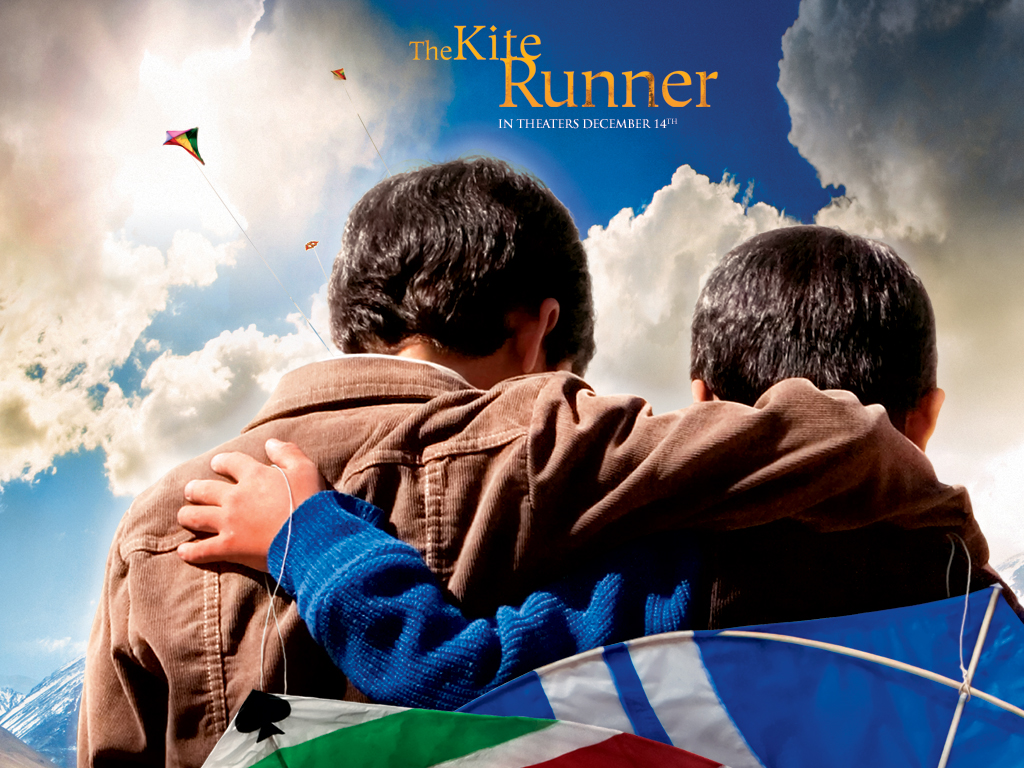
I chose to read the novel “The Kite Runner” because I have
previously read it and found it to be an extremely powerful novel with many
messages and captivating moments that make you think hard about your own
beliefs, morals and values. It is a very inspirational novel, and has so much
meaning beyond the written words in the novel. I am interested to read this
book to gain more insight about the harsh realities of life in Afghanistan, and
the ability to overcome immense challenges in order to put one’s life back
together. I believe this novel has the ability to provide a new perspective on
life, through the eyes of a young boy in Afghanistan during the 1970s.

No comments:
Post a Comment